
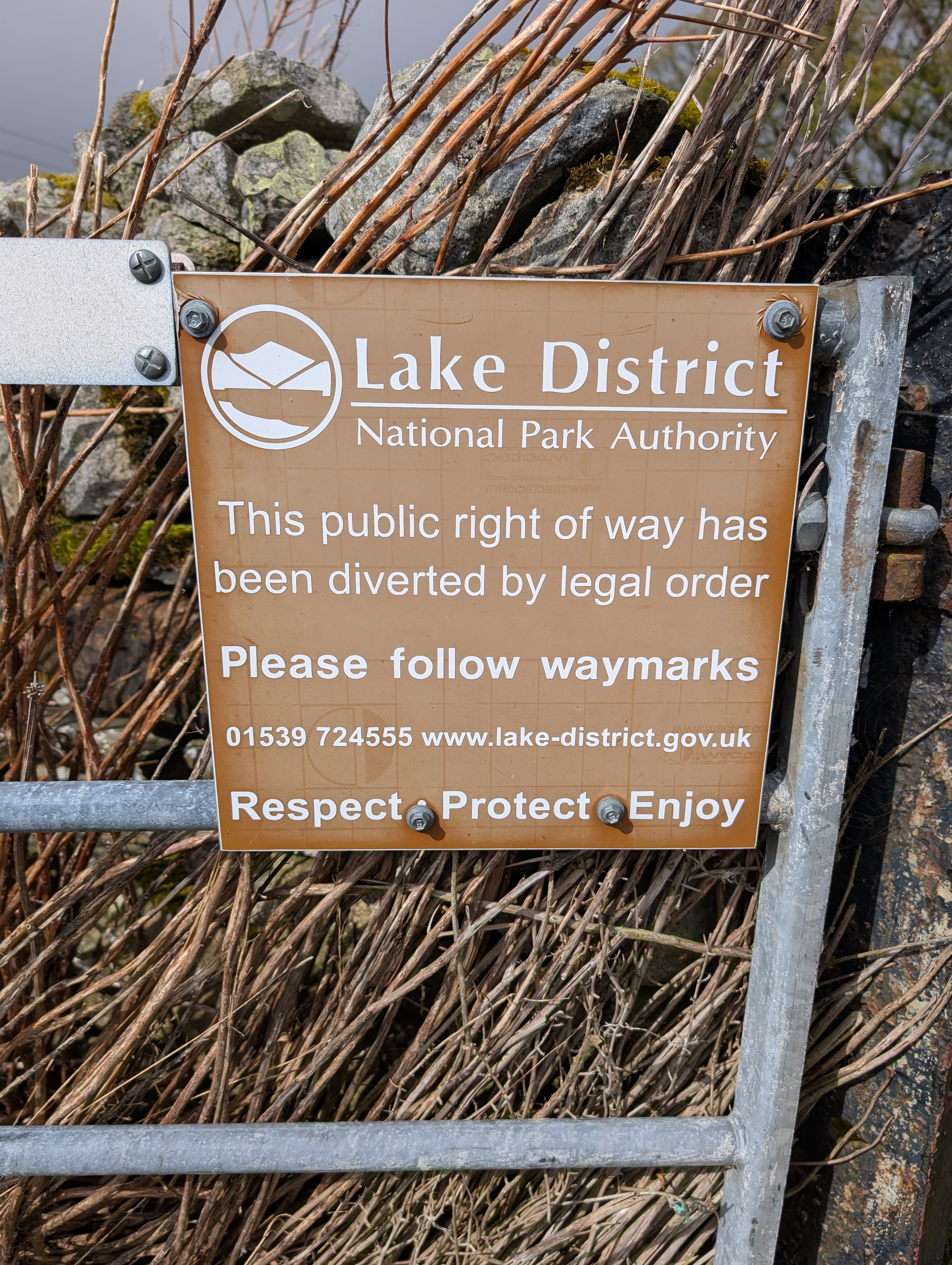
Many landowners ask whether they can move a public footpath when it crosses a farmyard, garden, business premises or development site. The answer is yes in some circumstances. However, the law requires a formal process before anyone can change the route.
Public Rights of Way are highways in law. Therefore, landowners cannot simply put up a sign, fence off the route or encourage people to use a different path. Until the authority confirms a legal order, the original route remains the lawful highway.
How to move a public footpath legally
Several types of legal order may apply, including:
- Public Path Diversion Orders – where a landowner wishes to move a footpath or bridleway to a different route.
- Public Path Extinguishment Orders – where a route no longer serves a public need.
- Town and Country Planning Act Orders – where development requires a diversion following planning permission.
For most landowners and farmers, a Public Path Diversion Order under the Highways Act 1980 is the relevant process.
Factors considered when moving a public footpath
When deciding an application, the authority will consider factors such as:
- Whether the proposed route is convenient for the public.
- Whether the route is substantially less enjoyable than the existing one.
- The effect on adjoining landowners and occupiers.
- Whether the diversion benefits the landowner or the public.
A successful diversion often depends on good route design. New routes should usually be:
- Practical for land management.
- Safe and accessible.
- Clearly defined.
- Convenient for users.
Why early advice matters
Timescales vary considerably. Some straightforward orders progress relatively quickly, while objections can extend others for many months.
The key point is simple: do not obstruct or alter a Public Right of Way before completing the legal process. Instead, seek professional advice early. Early input can identify the best option, reduce delays and avoid costly mistakes.
To learn more about diversion orders, visit our Services page or Contact us to discuss your project. Further information on the legal framework is available through the Highways Act 1980.

Leave a Reply