
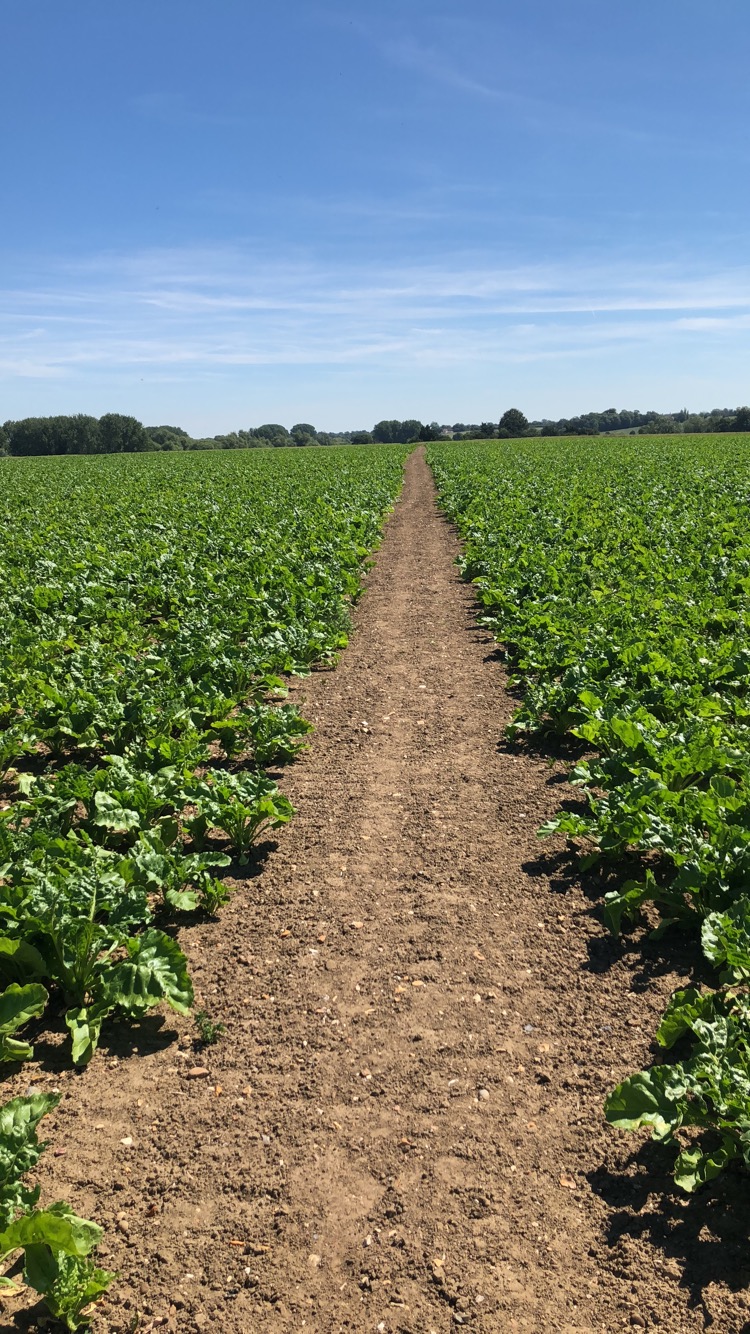
Public Rights of Way on farmland are an important part of the countryside. However, farmers and landowners must often balance public access with food production, animal welfare, machinery movements, biosecurity and environmental management.
In many cases, paths across farmland cause little difficulty. Problems usually arise where routes pass through busy farmyards, livestock handling areas, cropped fields or locations with regular machinery movements.
Managing Public Rights of Way on farmland
Landowners have several legal responsibilities in relation to Public Rights of Way. These include:
- Keeping paths free from obstruction.
- Reinstating paths after ploughing within the required timescales.
- Maintaining gates and stiles in a safe condition.
- Ensuring vegetation does not make routes impassable.
At the same time, the law recognises the practical realities of farming. For example:
- Temporary obstructions may sometimes be permitted for essential works with the appropriate authority.
- Dangerous bulls of recognised dairy breeds must not be kept in fields crossed by Public Rights of Way.
- Landowners can apply to divert paths away from sensitive operational areas.
Finding a balance between access and farming
Good management often comes down to communication and practicality. Clear waymarking, well-maintained gates and sensible route management can reduce conflict and improve safety for both the public and farm businesses.
Where a route creates operational difficulties, a diversion may be worth exploring. Common examples include:
- Footpaths through farmyards with heavy vehicle movements.
- Routes through livestock handling areas.
- Paths crossing land needed for agricultural buildings or infrastructure.
- Security or biosecurity concerns around modern farm operations.
Each case depends on its own facts. Therefore, early advice can help assess whether a diversion is likely to succeed.
Public Rights of Way on farmland have existed for centuries, yet they do not prevent sensible land management. The aim is usually to achieve a practical balance between public access and the efficient operation of the holding.
To learn more, visit our Services page or Contact us to discuss your project and access requirements.


Leave a Reply